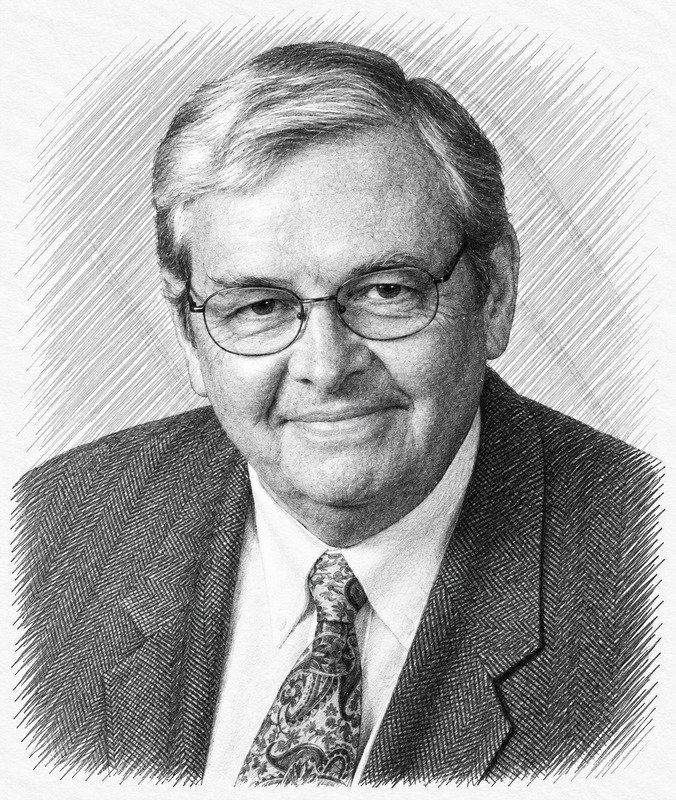
PERSON
Robert M. Veatch
1939–2020
Bioethics · Religious studies
American bioethics scholar whose work connected religious ethics, philosophy, medicine, and questions of professional authority and the patient-professional relationship.
At a Glance
- Primary fields
- Bioethics; Religious studies
- Intellectual streams
- Theological ethics; Clinical ethics & professionalism
- Modes of contribution
- Conceptual / theoretical; Pedagogical; Institutional
01 / LIFE & CONTEXT
Robert M. Veatch (1939–2020) entered bioethics through pharmacy, pharmacology, theology, and ethics rather than a single disciplinary path. He joined the new Hastings Center in 1970 and later spent more than four decades at Georgetown's Kennedy Institute of Ethics. His career coincided with the growing challenge to physician authority posed by patients' rights and demands for shared decisions.
02 / KEY CONTRIBUTIONS
Veatch questioned whether a physician's professional account of the good could settle what ought to happen to a patient. His writing on consent, dying, transplantation, and professional ethics argued for attention to patients' moral commitments and for an explicit critique of paternalism. He also entered public and legal deliberation, including consultation related to the Karen Ann Quinlan case.
03 / HISTORICAL ROLE
The transition from physician-centered medical ethics to patient agency was not just a change in bedside etiquette. Veatch gave it philosophical force, while his work at two formative centers helped establish bioethics as a place for sustained argument about pluralism and professional power.
04 / SELECTED WORKS & CONTRIBUTIONS
- A Theory of Medical EthicsBook · 1981