About the Project
The American Bioethics Project is a digital history initiative documenting the people, ideas, institutions, works, and events that shaped the development of bioethics in the United States.
Why This Project Exists
The American Bioethics Project grew out of my experience as a teacher. Year after year, I encountered students eager to become bioethicists. They wanted to learn the concepts, methods, and practices of the field and to find their own place within it. Yet I also noticed how difficult it was for them to look backward and encounter the people who had helped make the field what it is today.
Every time I asked: " Who is your favorite bioethicist?", many students were puzzled by the question. They cared deeply about bioethics and were becoming conversant in its principles and debates, but they had no single place where they could encounter the people who shaped the field, the institutions they built, the works they produced, or the controversies through which bioethics developed.
The American Bioethics Project began as an attempt to address that gap: to provide students, teachers, scholars, and others with a place to look backward in order to better understand the field they are encountering today.
What We Document
American bioethics did not emerge from a single discipline, institution, or intellectual tradition. It developed through conversations and conflicts among medicine, philosophy, theology, law, public policy, research, disability advocacy, social movements, and other communities.
The project traces this history by connecting people with the works they produced, the institutions they built and joined, the ideas they advanced and contested, and the events through which the field developed.
What “American” Means
“American” describes the historical field being documented, not a requirement of nationality or birthplace. The project includes individuals, institutions, and intellectual traditions whose influence materially shaped the development of bioethics in the United States, including figures whose lives and work originated elsewhere.
Our Approach
The American Bioethics Project approaches bioethics as a historically diverse and contested field. Inclusion in the project indicates historical significance or influence; it does not constitute endorsement of a person, institution, argument, or position.
Profiles and relationships are developed through documented sources, structured metadata, and ongoing historical review. Where evidence is incomplete, disputed, or uncertain, the project seeks to identify those limitations rather than present inference as settled historical fact.
Founder & Editor
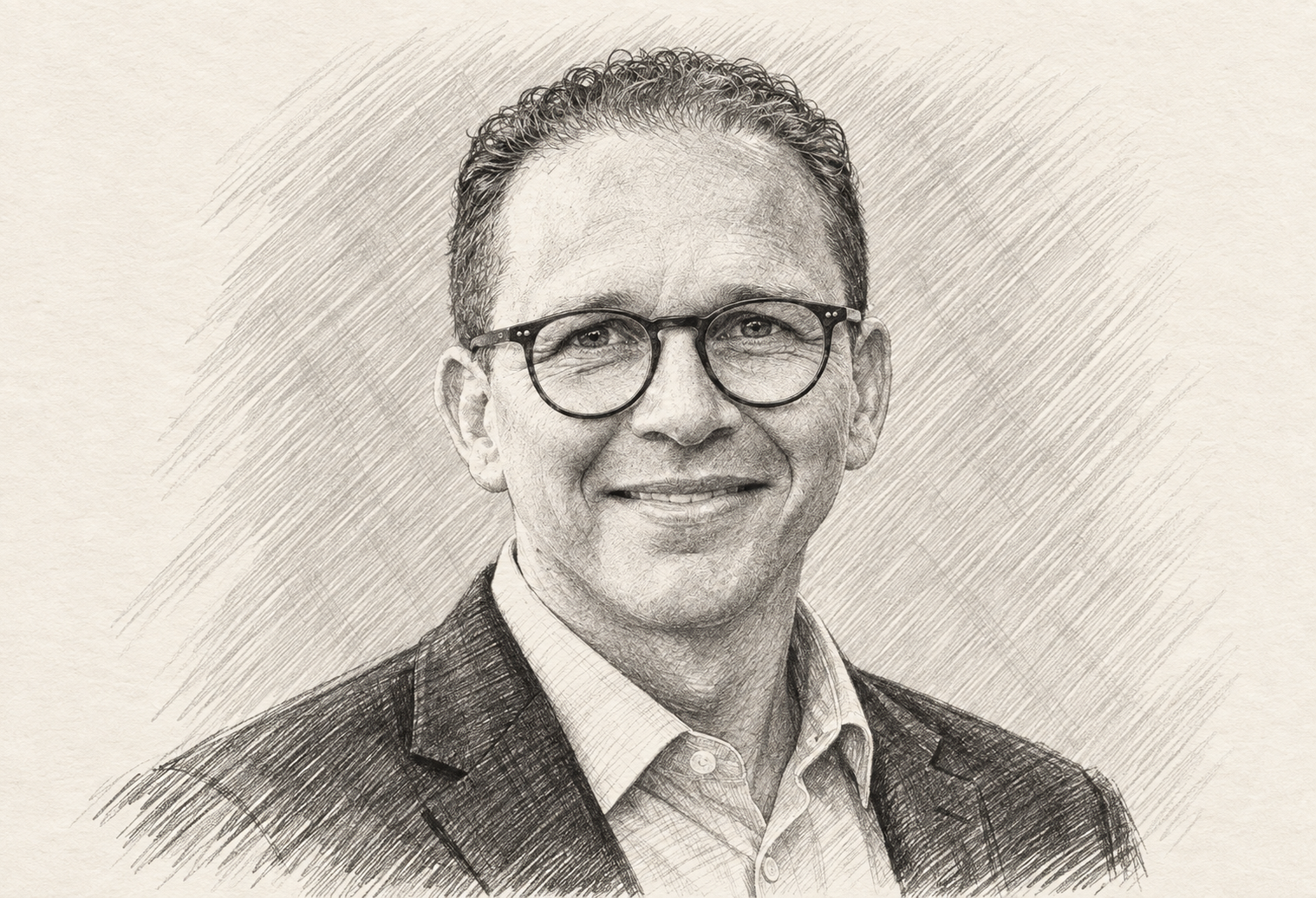
Caraballo is a bioethicist, educator, practitioner, and evangelical pastor whose work focuses on bioethics education and the historical and public understanding of the field. He teaches bioethics at the Center for Bioethics at Harvard and founded the American Bioethics Project as an independent scholarly and educational resource.
His work in bioethics is informed by years of teaching, pastoral ministry, and engagement with the ethical questions that arise in medicine, disability, human vulnerability, and public life. These experiences inform his interest in understanding bioethics not only as an academic discipline, but as a field of practice shaped by people, institutions, communities, and competing moral traditions.
As founder and editor, Caraballo is responsible for the project’s editorial direction, historical interpretation, selection criteria, and continuing development.
The American Bioethics Project is an independent scholarly and educational initiative. It is not an official project of, nor does it represent, any institution with which its founder and editor is affiliated.
Contact & Feedback
The American Bioethics Project is an evolving scholarly resource. We welcome questions, comments, corrections, and suggestions that can help strengthen the historical accuracy and usefulness of the repository.
For inquiries or feedback, please contact us at info@americanbioethicsproject.org.