A Theory of Medical Ethics
Item
-
Title
-
A Theory of Medical Ethics
-
ABP identifier
-
ABP-W-0020
-
Date
-
1981
-
Type
-
Book
-
Description
-
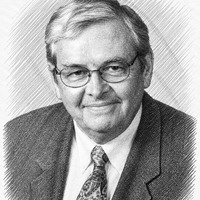
Robert Veatch challenged the idea that the medical profession could define its own ethics through inherited codes and professional traditions. He proposed a covenantal account grounded in agreements between medicine and the wider moral community, then developed principles governing autonomy, honesty, justice, contract keeping, and the avoidance of killing.
-
Intellectual stream
-
Principles & methods
-
Clinical ethics & professionalism
-
Verification status
-
Verified
-
Evidence confidence
-
High
-
Historical significance
-
Veatch challenged the idea that the medical profession could define its own ethics through inherited codes and professional traditions. He proposed a covenantal account grounded in agreements between medicine and the wider moral community, then developed principles governing autonomy, honesty, justice, contract keeping, and the avoidance of killing. The book captures a central change in late twentieth-century medical ethics: professional authority was increasingly subjected to public moral standards and to the claims of patients and citizens. Its systematic argument offered an alternative to both Hippocratic paternalism and simple reliance on professional codes. It also helped make social contract and covenant models part of bioethics’ debate about the moral basis of clinical relationships.
 Robert M. Veatch