Items
101–125 of 132
Advanced search
-
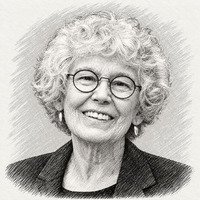 Rebecca S. Dresser American legal scholar and bioethicist whose teaching and scholarship address research ethics, end-of-life care, genetics, assisted reproduction, patient advocacy, and the representation of people affected by biomedical research and clinical decisions.
-
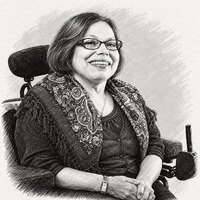 Judith E. Heumann American disability-rights activist, educator, and public official whose leadership in the independent-living and disability-rights movements helped transform law, policy, institutions, and public understandings of disability in the United States and internationally.
-
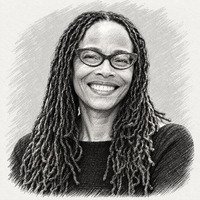 Dorothy E. Roberts American legal scholar, sociologist, and public intellectual whose work examines race, gender, reproduction, science, medicine, family regulation, and bioethics, with sustained attention to structural inequality and reproductive justice.
-
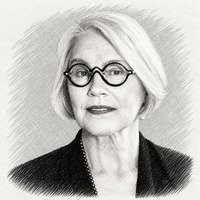 Rosemarie Garland-Thomson American humanities scholar, disability studies leader, and bioethicist whose work brings critical disability studies, feminist theory, health humanities, and public scholarship into conversation with bioethical questions about disability, health, technology, and eugenics.
-
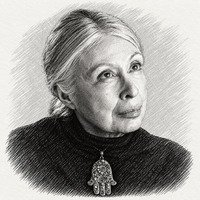 Anita Silvers American philosopher and disability-rights advocate whose scholarship connected disability theory, justice, medical ethics, bioethics, feminism, and the moral foundations of disability law and policy.
-
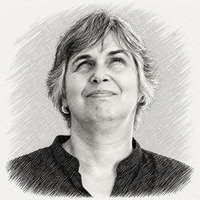 Adrienne Asch American bioethicist, disability studies scholar, and disability-rights advocate whose interdisciplinary work examined reproduction, prenatal testing, disability, justice, and the social assumptions that shape judgments about quality of life.
-
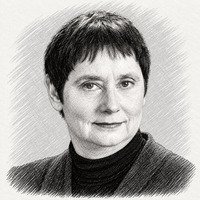 Susan Sherwin Canadian philosopher whose feminist scholarship in health ethics challenged dominant approaches to autonomy, patienthood, reproduction, power, and oppression and helped define feminist bioethics.
-
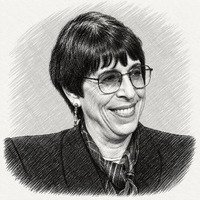 Ruth Macklin American philosopher and bioethicist whose scholarship has addressed human-subjects research, reproductive ethics, HIV/AIDS, global health, public health, human rights, and multinational research ethics.
-
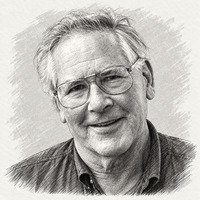 Norman Daniels American philosopher and bioethicist whose work applies theories of justice to health, health care, priority setting, health disparities, and fair allocation of limited resources.
-
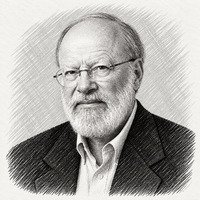 George J. Annas American health-law scholar and bioethicist whose scholarship connected patient rights, public health, human rights, research ethics, and the legal dimensions of medicine.
-
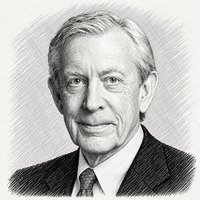 Alexander M. Capron American legal scholar and bioethicist whose work has connected law, medicine, health policy, research ethics, genetics, and international bioethics.
-
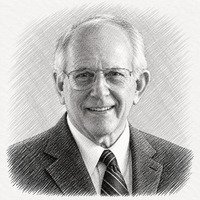 Warren T. Reich American scholar of bioethics, religion, and ethics who was a founding member of Georgetown University’s Kennedy Institute of Ethics and editor of the first edition of the Encyclopedia of Bioethics.
-
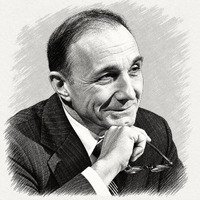 Edmund D. Pellegrino American physician, philosopher of medicine, educator, and bioethicist whose scholarship emphasized the moral foundations of medicine, professional ethics, virtue, and the physician-patient relationship.
-
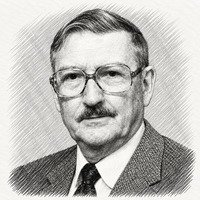 Van Rensselaer Potter American biochemist and cancer researcher who introduced a prominent early use of the term bioethics and conceived it broadly as a bridge between biological knowledge, human values, survival, and the future of life.
-
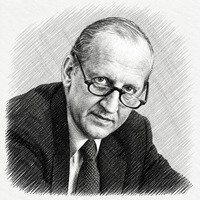 André E. Hellegers Dutch-born American obstetrician, fetal physiologist, and bioethics institution-builder who founded and became the first director of Georgetown University’s Kennedy Institute of Ethics in 1971.
-
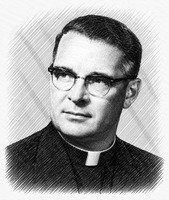 Richard A. McCormick American Jesuit moral theologian and scholar of medical ethics whose work brought Catholic moral theology into sustained engagement with biomedical ethics, reproductive ethics, end-of-life questions, and moral methodology.
-
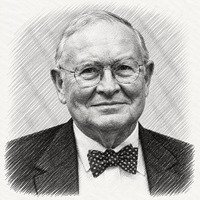 Joseph Fletcher American theologian and medical ethicist whose Morals and Medicine (1954) and later situation ethics brought questions of patient choice, reproduction, death, and medical decision-making into sustained ethical debate.
-
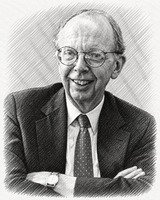 James M. Gustafson American theological ethicist whose work in Christian ethics and moral reasoning helped shape early conversations at the intersection of theology, medicine, and the emerging field of bioethics.
-
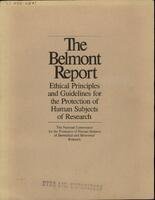 National Commission for the Protection of Human Subjects of Biomedical and Behavioral Research Federal commission established by the National Research Act of 1974 to study ethical issues in biomedical and behavioral research involving human subjects and to develop ethical principles, guidelines, and recommendations for their protection.
-
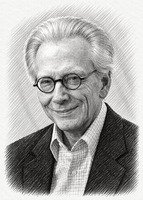 James F. Childress American ethicist and bioethics scholar whose collaborative work on principles of biomedical ethics became a major framework for teaching and analyzing ethical problems in health care.
-
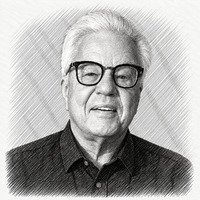 Tom L. Beauchamp American philosopher and bioethics scholar associated with the Belmont Report and with the development of principlism in biomedical ethics.
-
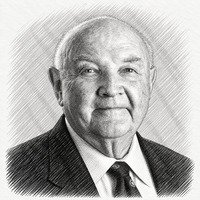 Albert R. Jonsen American bioethics scholar and educator whose work helped develop methods for clinical ethics and document the early history of bioethics.
-
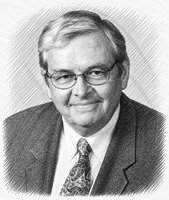 Robert M. Veatch American bioethics scholar whose work connected religious ethics, philosophy, medicine, and questions of professional authority and the patient-professional relationship.
-
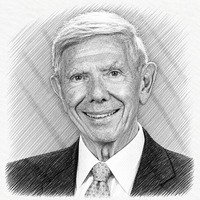 Willard Gaylin American psychiatrist, psychoanalyst, author, and bioethics pioneer who co-founded The Hastings Center with Daniel Callahan.
101–125 of 132