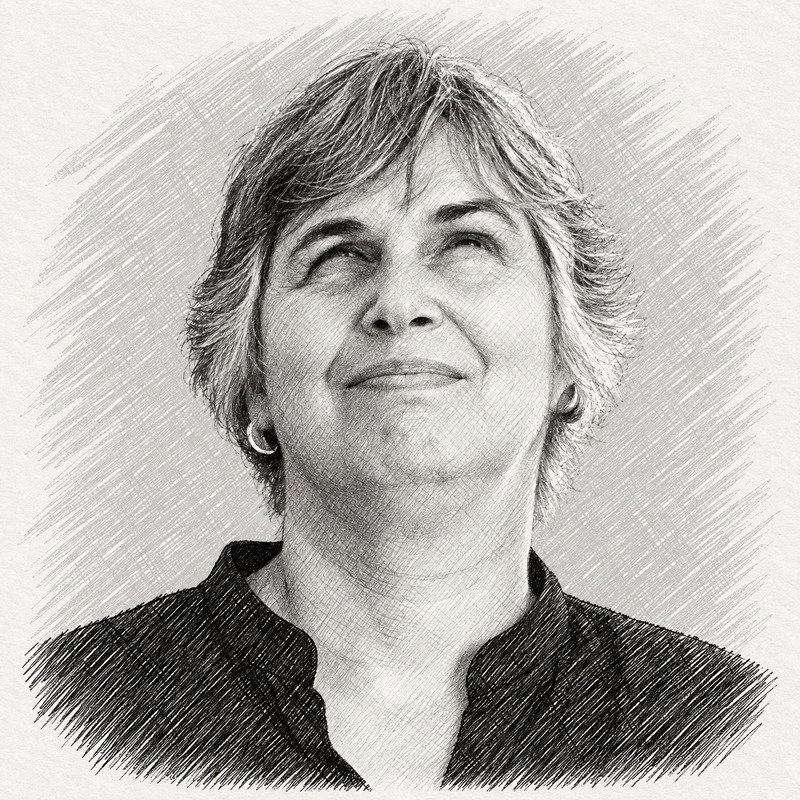
PERSON
Adrienne Asch
1946–2013
Bioethics · Disability studies · Social psychology
American bioethicist, disability studies scholar, and disability-rights advocate whose interdisciplinary work examined reproduction, prenatal testing, disability, justice, and the social assumptions that shape judgments about quality of life.
At a Glance
- Primary fields
- Bioethics; Disability studies; Social psychology
- Intellectual streams
- Disability bioethics; Feminist bioethics
- Modes of contribution
- Critical / corrective; Advocacy / movement; Conceptual / theoretical; Pedagogical
01 / LIFE & CONTEXT
Adrienne Asch (1946–2013) entered bioethical debate with experience in disability-rights advocacy and training in social work and social psychology. Blind from infancy, she studied at Columbia, taught at Boston University and Wellesley, and later became founding director of Yeshiva University's Center for Ethics. Her work brought disability perspectives into discussions of reproduction, medicine, and public policy.
02 / KEY CONTRIBUTIONS
Asch examined prenatal diagnosis, selective abortion, assisted reproduction, and judgments about quality of life. She defended reproductive freedom while questioning the inaccurate, socially conditioned assumptions about disability that can shape decisions around prenatal testing. Her writing also addressed end-of-life care and insisted on the inclusion of disabled people's perspectives in ethical deliberation.
03 / HISTORICAL ROLE
The question Asch brought to bioethics was not simply how medicine should treat disability. It was whether bioethical arguments themselves were relying on a diminished picture of disabled lives. That shift made disability experience a standpoint from which the field could examine its premises.