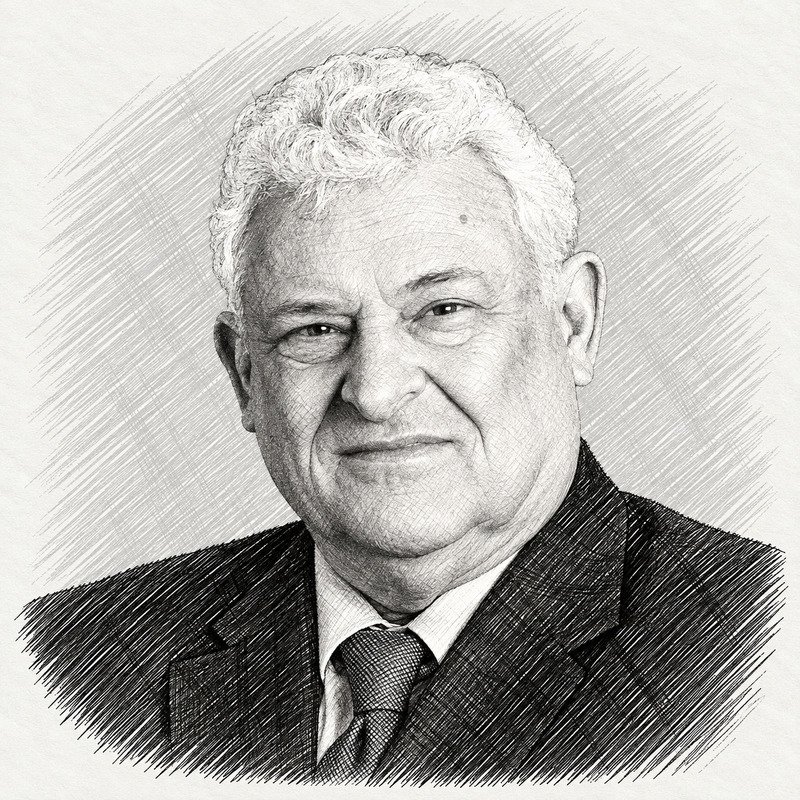
PERSON
Arthur L. Caplan
1950–
Bioethics · Philosophy
American bioethicist and philosopher whose work has shaped transplantation ethics, research ethics, health policy, and public engagement with bioethical controversies.
At a Glance
- Primary fields
- Bioethics; Philosophy
- Intellectual streams
- Institution building; Research ethics & consent; Justice & allocation; Law & public policy
- Modes of contribution
- Conceptual / theoretical; Institutional; Legal / policy; Public / translational
01 / LIFE & CONTEXT
Arthur L. Caplan's career has been lived in public as well as academic bioethics. Trained in the history and philosophy of science at Columbia, he worked at The Hastings Center and built or led programs at Minnesota, Pennsylvania, and New York University. Those settings placed him near clinicians, policymakers, journalists, and audiences seeking ethical analysis of fast-moving biomedical controversies.
02 / KEY CONTRIBUTIONS
Caplan has worked on transplantation, organ allocation, research, genetics, reproduction, vaccination, compassionate use, and medical innovation. Advisory service and public commentary have carried these topics beyond specialist scholarship. His creation and leadership of bioethics programs also helped establish places where scholars could be trained and ethics could enter medical and policy institutions.
03 / HISTORICAL ROLE
The public visibility of bioethical expertise expanded alongside the field's academic institutions. Caplan's movement among universities, advisory bodies, medicine, and public debate is one instance of that change, alongside his work on specific medical controversies.